
More than a third of backlinks to some brands can be toxic. A 2022 cleanup by Promodo for Cloudfresh found about 35% were bad actors. This shows how fast link spamming can harm a profile, trigger Google penalties, and erode trust.
Knowing what to cut—and when—is now a core skill for smart site owners. Google advises removing what you can first. Use the disavow tool only when outreach fails or a manual action is on the table.
Most sites never need it. But when harmful backlinks pile up, a focused link audit helps. It separates harmless noise from threats to SEO backlinks and revenue.
In this guide, they learn how to spot spam links fast. They also learn to avoid risky moves and act with confidence. The goal is simple: protect rankings, prevent damage, and keep the backlink graph clean without overreacting.
Readers can expect clear steps, real examples, and tools they already use. This way, each decision is grounded in data. With a steady process, they can shut down link spamming, dodge Google penalties, and deploy the disavow tool only when it truly matters.

What Are Spam Links and Why Are They Harmful?
Spam links seem like normal backlinks at first. But they’re made to cheat the system, not help users. They spread across low-quality sites, changing a site’s image and inviting Google penalties. Brands that value trust and relevance see their trust decline because of these harmful links.
Definition of Spam Links
Spam links are fake links used to trick search results, not to add value. They often come from sites that don’t make sense, thin pages, or pages full of ads and copied text. Google sees these as signs of cheating and might take action against them.
Common Types of Spam Links
These include links from private blog networks, mass-submitted directory profiles, and paid ads on low-authority sites. Automated tools also create comment blasts and forum profiles. Recently, doorway pages and “parasite” placements on trusted sites have been under the microscope for their deceptive links.
- PBN footprints that reuse templates and IP ranges
- Paid links without clear disclosure or relevance
- Auto-generated pages linking at scale to pass PageRank
- Forum and blog comment spam with exact-match anchors
- Links from domains flagged after spam updates
Why Spam Links Matter for SEO
Spam links can make a site seem less relevant and confuse Google’s quality assessment. When a site gets too many harmful backlinks, it might face Google penalties or have its links ignored. This can hurt visibility, click-through rates, and make recovery harder.
Focus on getting genuine mentions, clear attribution, and relevance. If problems come up, document sources and remove obvious spam links. This makes future audits quicker and more accurate.
Signs That Your Website Contains Spam Links
Spotting early signs helps avoid Google penalties and keeps organic reach strong. A quick link audit can find problems before they get worse. Teams should look for patterns that show harmful backlinks and act quickly.
Unusual Backlink Patterns
Sharp increases in referring domains or anchors often mean spam links. A sudden rise in exact-match anchors for money terms is a warning. Also, links from domains that lost visibility after a Google spam update are a sign.
Look for clusters from doorway-style pages or sites marked as unsafe by browsers. If Google Search Console alerts you about unnatural links, a detailed link audit is needed. This helps find and remove harmful backlinks.
Low-Quality Referral Traffic
Watch analytics for traffic that leaves quickly, with little engagement. Traffic from unrelated countries or languages might indicate spam links. Sudden increases from obscure directories or scraper blogs also raise concerns.
Use tools like Ahrefs or SEMrush to check sources. Over-optimized anchors on thin pages often point to harmful backlinks. This increases the risk of Google penalties.
Sudden Drop in Website Rankings
A sharp drop in rankings, around a core update, might be due to toxic patterns. Pages may drop off page one, and impressions plummet.
Compare rank timelines with backlink growth. If new links appear while rankings fall, it’s time for a link audit. This confirms if spam links caused the drop and identifies the worst offenders.
Tools to Identify Spam Links
Spotting harmful links starts with a clear view of SEO backlinks. A smart link audit uses Google’s data and trusted crawlers. They help spot spam links before they harm trust or rankings.
Use multiple sources, compare patterns, and export what looks risky for a future upload to a disavow tool. For deeper context, this guide on spam backlinks explains how platforms score risk and find red flags.
Google Search Console
Google Search Console shows links Google found. It doesn’t judge quality, so reviewing each link is key. Export domains and URLs from the Links report, then group by patterns like exact-match anchors or irrelevant pages.
Property owners can upload a list via the disavow tool. One list per property, and a new upload replaces the old. After a successful upload, changes take time as Google recrawls.
Ahrefs Backlink Checker
In Ahrefs, Site Explorer and the Backlinks report show link velocity, anchor text, and referring domains. Filters for low Domain Rating, mismatched topics, or foreign-language anchors help find spam links.
Analysts can mark suspicious rows, review anchor diversity, and export for a link audit. Look for patterns tied to blog networks, automated blasts, or pages with thin content and no traffic.
SEMrush Link Audit Tool
SEMrush’s Backlink Audit sets a Toxic Score per link. Teams inspect sources, anchors, and landing pages, then gather targets for a disavow tool upload if outreach fails.
The platform also tracks removal requests and helps segment risky clusters. Pair its findings with Google Search Console exports to validate SEO backlinks across datasets.
| Platform | Primary Use | Key Signals for Spam Links | Export Options | Notes for Link Audit |
| Google Search Console | Google-discovered links | Unnatural anchors, irrelevant sources, rapid spikes | CSV export from Links report | Requires property ownership for disavow tool; uploads replace prior lists |
| Ahrefs | Web-scale crawler | Low DR domains, off-topic anchors, spam indicators | Export from Backlinks and Referring Domains | Use anchor and DR filters to isolate risky SEO backlinks |
| SEMrush | Backlink risk scoring | Toxic Score, suspect networks, automated patterns | Disavow list export and outreach logs | Combine Toxic Score with manual checks before a disavow tool submission |
How to Analyze Your Backlink Profile
Getting a clear view of your SEO backlinks starts with a detailed link audit. First, export all links from Google Search Console. Then, sort them by relevance, reach, and trust. This helps you spot the good links from the bad ones before you start disavowing.

Checking Domain Authority
They check the strength of domains with Ahrefs DR and SEMrush Authority Score. High scores are good, but it’s more about context than just a number. A niche site with engaged readers can be more valuable than a broad directory.
They look at if the linking site serves the same audience and if the content adds real value. Sites that sell links, show doorway behavior, or lose traffic after Google updates are often harmful.
- Confirm topical relevance between the linking page and target page.
- Review traffic trends and visibility drops after Google updates.
- Flag links from private blog networks or auto-generated pages.
Analyzing Anchor Text Variations
Balanced anchor text keeps your profile safe. They group anchors into branded, URL, topical, and exact-match types. Too many exact-match anchors can mean manipulation and spam.
They compare anchors to page intent. If they don’t match, the value drops. Anchors from comments, forums, or irrelevant directories can distort signals and become harmful.
- Cap exact-match anchors and prefer branded or natural phrases.
- Check language, location, and context alignment with the page.
- Spot repetitive anchors across many domains as a red flag.
Identifying Toxic Links
A thorough link audit uses SEMrush Toxic Score and spam indicators. They look for paid link footprints, uniform templates, and link-trading venues. Sitewide footer links or sudden bursts from low-value blogs suggest issues.
They keep a removal list for outreach and a separate queue for disavow. Signs like browser warnings, blocked pages for users, or 404s served to people but not crawlers point to manipulation and harmful backlinks.
| Check | What to Verify | Tools/Signals | Action if Risky |
| Domain Trust | Authority, relevance, real traffic | Ahrefs DR, SEMrush Authority, organic trend | Request removal; consider disavow |
| Anchor Pattern | Ratio of branded vs. exact-match | Anchor distribution, keyword mapping | Reduce exact-match; diversify anchors |
| Link Source Type | PBNs, paid placements, directories | Footprints, uniform templates, outbound volume | Remove low-quality; document for disavow |
| Technical Integrity | Doorway behavior, browser flags | Fetch as Google, security warnings | Eliminate source; escalate for disavow |
| Acquisition Pattern | Velocity spikes and unnatural bursts | Timeline charts in Search Console | Audit burst links; remove suspicious |

How Do Spam Links Affect Your Website?
Spam links may drastically undermine the credibility of your SEO efforts. Search engines strive to offer users the most relevant and high-quality results.
When your site has spammy links or engages in black hat SEO methods such as link spamming, its search rankings may suffer greatly.
This is because search engines are designed to punish websites that attempt to manipulate ranks through deceptive means.
As a result, a website with low-quality links may receive less visibility, which has a direct impact on organic traffic. Even a single unsafe link can harm the website’s SEO.
In its ongoing efforts to create a clean, trustworthy search environment, Google takes strict measures against sites that contain or generate spam links.
Penalties range from a momentary decline in ranks to the site’s permanent removal from search results. This punitive measure is intended to dissuade site owners from purchasing links or indulging in other deceptive link-building methods.
Such fines have serious implications, typically resulting in a significant fall in site visitors and, as a result, a loss of revenue.
To avoid such results, site owners must periodically analyze their link profile and remove any poor connections and spam links that may undermine their site’s reputation and search performance.
Recognizing Spam Links
Recognizing spam links can be a good preventive to keep your site healthy and offer good authority to the users.
We can split spam link recognition into two groups:
- Visual indicators
- Technical sources
Irrelevant Context
Links that appear in content without a logical connection to the linked page often indicate an attempt to manipulate search rankings.
An example of this would be a link discussing “bike repairs” embedded within an article focused on “healthy eating.” Such placements are typically irrelevant to the topic at hand and serve no purpose to the reader, suggesting that their primary aim is to influence search algorithms rather than provide valuable information or relevant resources.
What are the consequences of doing this?
- Readers will be confused
- Degradation of content quality
- Search engine penalties
To avoid this, do regular audits of outbound links to check their relevancy and appropriateness to the surrounding content can help protect a site from potential SEO difficulties and penalties.
Over-Optimized Anchor Text
Anchor text, or the clickable content in a hyperlink, is important for SEO since it tells search engines about the topic of the connected page.
However, anchor texts that are too keyword-rich and repeated unnaturally throughout or across numerous articles indicate an attempt to influence search engine results.
This tactic, known as over-optimization, involves stuffing anchor texts with precise keywords or phrases that a site owner wants to rank for, rather than using varied or natural language that genuinely describes the linked content.
The consequences of over-optimized anchor text can be significant for a website:
- Penalties and Loss of Rankings
- Reduced User Trust
Imagine a website that sells running shoes and wants to improve its search engine ranking for the keyword “best running shoes.”
If numerous articles on the website, or even guest posts on other sites, consistently use the exact anchor text “best running shoes” to link back to the homepage or a specific product page, this can be considered over-optimized.
For instance, if you encounter multiple instances of links in blog posts like:
- “Find out more about the best running shoes for marathons.”
- “Our guide will help you pick the best running shoes for trail running.”
- “Learn why these are considered the best running shoes by professional athletes.”
In each case, the exact phrase “best running shoes” is used as anchor text, disregarding variations that would naturally occur in a genuine content narrative.
- Natural Variations:
- “Check out these top marathon shoes.”
- “Explore our trail running shoe guide.”
- “Professional athletes recommend these shoes.”
Using natural, varied phrases like these helps to avoid the appearance of manipulative SEO tactics, aligns better with user expectations, and adheres to search engine guidelines for natural link profiles.
Hidden Links/Text
Hidden links are those that are intentionally made invisible to website visitors but remain detectable by search engines. This practice is often employed to manipulate search engine results by artificially inflating the number of links pointing to a page.
Common methods used to hide links include:
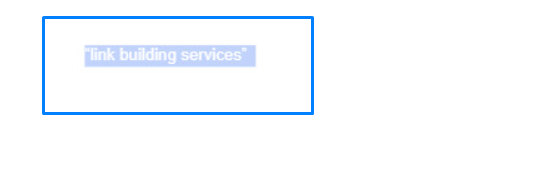
- Using White Text on a White Background: This technique involves setting the color of the text to match the background color of the page, making the text invisible to users but still readable by search engine crawlers.
Example:
- Shrinking Text Size to Zero: Some site owners reduce the font size of certain texts to the smallest possible size, effectively making them invisible to the naked eye.
Example:

The text in the picture above is so small that you will need a magnifying glass to see it.
- Placing Text Behind an Image: Layering text behind an image obscures the content from view on the page but allows search engines to index it if it is not properly disabled by CSS or HTML attributes.
The use of hidden links is considered a deceptive practice and is strongly penalized by search engines for several reasons:
- Violation of Webmaster Guidelines – Major search engines, such as Google, have specific webmaster standards that ban the usage of hidden content and links. These recommendations are intended to guarantee that the material supplied to search engines is the same as that displayed to users.
- Severe Penalties – Engaging in this strategy can result in significant penalties from search engines. If found, a site may face manual action, ranging from a drop in search ranks to outright removal from search engine indexes.
- Loss of Trust – Aside from search engine penalties, hidden connections can undermine a website’s trustworthiness among users. If people uncover such misleading activities, they may lose faith in the brand and damage its reputation.
Site owners must ensure that all links on their websites and blogs are accessible and beneficial to their audience while adhering to ethical SEO techniques that promote trust with users.
Link Farming
Link farms are groups of websites that are interconnected solely for the purpose of increasing the number of inbound links each site receives.
The primary goal of these networks is to artificially boost search engine rankings by manipulating the link-based ranking algorithms of search engines.
Websites within a link farm are usually low in quality, offering minimal to no substantial content or legitimate functionality to users.
These sites typically exist just to host links, and they often link to each other in a circular manner or through a series of connections that do not offer genuine value to visitors.
The involvement with link farms can have severe consequences for a website:
- Search Engine Penalties – Search engines such as Google aggressively search out and punish sites that engage in link farming. Algorithms have gotten more adept in recognizing abnormal connection patterns.
Being detected as part of it can result in serious consequences, such as a large decline in search ranks or outright removal from search engine result pages.
- Loss of Credibility and Trust – Association with link farms can damage a site’s reputation not only with search engines but also with users.
Once users or advertisers realize that a site is part of a link farm, they are likely to distrust the integrity of the site and its content. This can lead to a decrease in traffic, user engagement, and advertising revenue.
- Long-Term Damage to SEO – Recovering from penalties related with link farms may be time-consuming and challenging. Cleaning up a website’s link profile entails finding and disavowing poor connections, which is a laborious and often time-consuming operation.
It might take months, if not years, to regain search engine confidence and restore former ranking positions.
For site owners, it’s essential to steer clear of this method and concentrate on cultivating high-quality, natural backlinks that are both relevant and beneficial to their content. Additionally, it is crucial to implement effective backlink management strategies to elevate the current backlink profile of the website.
Private Blog Networks / PBNs
Private Blog Networks are groups of blogs or websites that were built deliberately to connect to one another in order to manipulate search engine results.
These networks typically consist of fake blogs or acquired domains that once had authority, repurposed to generate link equity for other sites within the network.
The content on these sites is often of low quality, designed primarily to host links rather than to provide real value or relevant information to readers. The primary goal of PBNs is to boost the SEO of member sites through artificial link building.
The use of Private Blog Networks carries significant risks due to the sophisticated methods search engines employ to detect and penalize such practices:
- Search Engine Penalties – Major search engines like Google have developed advanced algorithms to identify the fingerprints of PBNs, such as similar IP addresses, overlapping ownership details, or a common backlink profile among networked sites.
Once detected, sites involved in PBNs can face severe penalties, including the devaluation of links, loss of search rankings, and even complete de-indexing from search results.
- Diminished Domain Authority/Rating – Participation in a PBN can lead to a significant reduction in a website’s domain authority. This metric, which influences a site’s ability to rank in search results, can be adversely affected when the site is penalized for unethical SEO practices like link building through PBNs.
Example:
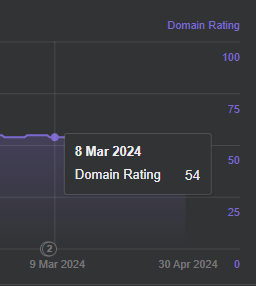
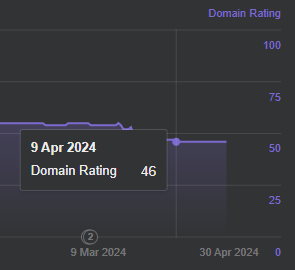
In the pictures above you can see how the website lost its domain rating in one month after the Google search engine algorithms recognized the website connection with PBN.
- Backlink Profile Damage – Recovery from the consequences of being linked to a PBN can be difficult and time consuming. It necessitates a complete cleansing of the website’s backlink profile, as well as a fresh emphasis on ethical link-building tactics.
The harm to a site’s reputation with search engines like Google can last for a long time, impacting its ranking and visibility even after the offending links are removed.
PBNs exemplify low-quality sites that can significantly damage your website in ways you might not anticipate. While some might argue that this link-building strategy could benefit short-term projects, it’s important to remain cautious and avoid falling into this trap.
Low Quality Websites
Low quality websites are characterized by their lack of credibility and authority, often containing an excessive number of outbound links that do not consider relevance or the value of the linked content.
These sites are typically involved in practices such as link spamming, where the primary goal is to manipulate web page rankings rather than to provide meaningful content to users.
The content on these websites is frequently of poor quality, including spun or copied articles that serve no real purpose other than to host links. This approach not only detracts from the user experience but also aims to unjustly enhance the website’s ranking.
The consequences of being associated with low quality websites can be detrimental:
- Diluted Website Credibility – When a legitimate website has links to or from these low-quality sites, it can significantly harm its credibility.
Users and other website owners may view such associations as a sign of poor trustworthiness or a lack of regard for user security, especially if the linked sites also contain malicious content.
- Degradation of Website’s Ranking – Algorithmic updates from web search providers are specifically designed to penalize websites that engage in bad linking practices, including those with links to low-quality sites. This can result in a drop in the website’s ranking, making it harder to reach a genuine audience.
- Potential Penalties – Maintaining inbound or outbound links to spammy websites can attract penalties. These penalties can vary from a reduction in page ranking to a complete removal from web search listings, which would drastically reduce the visibility of the penalized site.
- Security Risks – Low quality websites often do not follow secure web practices and may include malicious content. Linking to such sites can inadvertently expose users to security risks, further damaging the reputation of any affiliated website owner.
Example of low quality website:

Why can we determine that this site is low quality just from the first heading? The site claims to focus on health and healthy living, yet the homepage features an article about gambling, which is clearly out of place for a health-focused site.
Upon further exploration, I discovered that the entire website is filled with casino articles. This is a major indicator that the site is of low quality, and it may even be a PBN created solely for selling links.
How Can You Spot That Site is Low Quality?
- Utilize the search feature on the website and search for keywords such as “casino,” “gambling,” “CBD,” “porn,” and “sex.” If you find any articles related to these topics, it’s best to avoid collaborating with the site, as it’s likely a spammy website with poor-quality content.
Buying Links
Buying links is a practice in which website owners pay for inbound connections from other websites with the intention of artificially increasing their web page rankings. These paid connections are frequently obtained from untrustworthy sources and are considered a type of link manipulation.
Unlike high-quality backlinks earned through genuine relevance and content value, paid links typically do not contribute to user engagement or provide any significant value to site content.
They are instead designed to deceive web indexing algorithms into ranking the site higher based on the perceived popularity from these artificial links.
The impact of purchasing links can be substantial and damaging:
- Violation of Web Guidelines – This practice directly contravenes the guidelines laid out by major web search providers, such as those detailed in the Google Search Console regarding link schemes and link spamming.
These guidelines are intended to ensure fair play and relevancy in search results by discouraging manipulative tactics like link purchasing. Another very relevant set of rules is Google Quality Raters Guidelines that should also be taken into account.
- Engine Penalties – Websites caught buying links or engaging in similar link schemes risk severe penalties. These can range from a significant drop in rankings to complete removal from web search listings, leading to a loss of organic traffic and reduced visibility.
- Security and Manual Actions – Web search providers might take manual actions against a site, especially if the paid links involve malicious content or security risks.
Recovering from such manual penalties often requires a thorough cleanup of the link profile and a formal reconsideration request via tools like the Google Search Console.
Link Exchanges
Direct link exchanges, trading links between sites solely for the purpose of manipulating rankings can also harm a website’s credibility and search performance. This practice involves two or more parties agreeing to link to each other’s sites to artificially boost their link equity.
Like buying links, direct link exchanges are easily detected by modern web indexing algorithms, which can discern unnatural patterns of numerous links that do not align with quality or content relevance.
Engaging in link exchanges, especially with low-quality or irrelevant sites, can dilute the perceived authenticity of a website’s link profile.
It can lead to the devaluation of outgoing links and potentially attract penalties similar to those for paid links, diminishing the site’s ability to rank well.
For website owners aiming for long-term success, focusing on earning (not buying) both dofollow and nofollow links through credible, high-quality content and genuine relationships is essential.
Steering clear of practices like buying links or participating in link exchanges not only aligns with web guidelines but also enhances site integrity and user trust.
Guide to Managing Your Website’s Link Profile: Automated and Manual Techniques
Automating the detection of spam links can greatly enhance the efficiency and thoroughness of managing your website’s link profile. Various tools and software are available that can help streamline this process by identifying potential spam links and flagging them for review.
Automation Tools and Software
Ahrefs
Known for its robust backlink analysis capabilities, Ahrefs can automatically detect spikes in backlink growth, which may indicate spammy link-building activities.
It provides detailed data on the quality of linking domains, anchor text usage, and the overall health of your backlink profile.
When you add your website to the ahrefs.com dashboard for checking, navigate to the left-side tab labeled “Backlinks profile” and select “Backlinks.”
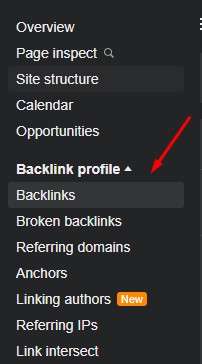
To quickly identify spam links, apply a filter for Domain Rating (DR) ranging from 0 to 20, as most spam links tend to originate from low-rated sites or those with unusual anchor texts or headlines.

In the picture below, you can see an example of how to properly use the Ahrefs tool. At the top, there is a spam link from a site with a poor domain rating and an irrelevant article headline. Additionally, on the right side of the picture, it shows that the link uses an entirely irrelevant anchor text.

Ahrefs is a top-tier tool for identifying spam links on your website. While it may be considered pricey for some, it is a worthwhile investment for those who rely on their website for income.
Investing in this tool helps safeguard your site against spammy links and malicious websites, ensuring its integrity and the security of your digital presence.
SEMrush
This tool offers a Backlink Audit feature that categorizes your backlinks into categories based on their perceived risk level. It uses various signals to assess risk and suggests actions like keeping, removing, or disavowing harmful links.
How to Manually Spot Spam Links?
Manually identifying spam links in your website’s link profile is an essential skill for maintaining the health and integrity of your site.
Backlinks Review via Google Search Console
Start by using tools like Google Search Console to obtain a list of all the backlinks to your website. Export this list to a spreadsheet for a detailed review.
Open Google Search Console and pick Left-side tab “Links” like in the picture below:
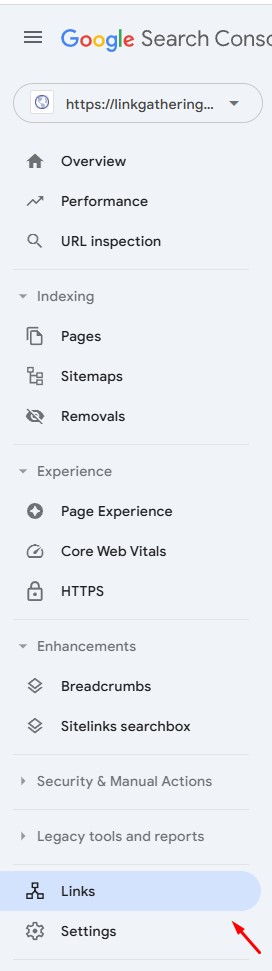
After that you can choose option “Export all external links” which is in the right top corner, see the picture below:
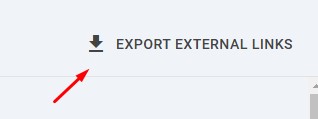
You can choose three formats for export:
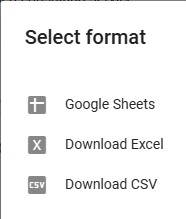
When you export the list, there are four key factors to check to determine if an external link could negatively impact your website’s authority:
- Analyze URL – Look at the URL and the domain of each link. A URL that looks suspicious, such as those containing unrelated numbers and characters, might belong to a URL spammer. Domains with excessively generic or irrelevant names can also be a red flag.
- Check the Relevance – Determine whether the link is from a website related to your content. Irrelevant directory links or connections to unrelated blog feed directories may be regarded low-quality and perhaps damaging.
- Assess the Website’s Quality – Visit the linking site to assess its quality. Look for signs like excessive ads, poor design, or content that is spun or nonsensical. These are indications of low-quality external links.
- Check Blog Comments – Check if the link is placed in the user comments section of a blog or forum. Comment spam typically includes irrelevant or out-of-context links embedded within the comments.
By combining both automated tools and manual reviews, you can effectively manage your link profile, ensuring it supports rather than hinders your website’s performance.
How to Disavow/Remove Spam Link?
Disavowing links is the process of telling web indexing services that certain links from external sites to your website should not be considered in assessing your site’s ranking.
This is typically done to distance your site from the harmful effects of bad links which might be influencing your website’s credibility and performance negatively.
Before proceeding to disavow links, it’s advisable to attempt removing them manually. This involves:
- Identifying Harmful Links – Using tools and manual checks to identify spammy or low-quality links that might be damaging your website’s ranking.
- Contacting Webmasters – Reach out to the owners of the websites hosting the unwanted links. Politely request the removal of links that originate from their domains.
Provide specific details about where the links are located, and explain why you are asking for their removal.
Steps to Disavow Links
When you’ve identified that certain links are beyond your control and continue to pose a risk by potentially manipulating search rankings or coming from low-quality content or spammy websites, it’s appropriate to use a disavow tool.
This tool allows you to upload a file containing the URLs or domains of the links you wish to disavow, effectively asking web crawlers to ignore those links in assessing your site.
- Create a List of URLs or Domains
Compile a list of all the bad links or the domains you want to disavow. It’s important to be thorough and cautious, as incorrect disavowal can affect your site’s performance.
Create a plain text file (.txt) with one URL or domain per line. If you want, you can also include comments in the fil by starting the line with a “#” symbol to explain why you are disavowing these links.
You can see an example of a disavow file below:

- Upload the File to the Disavow Tool
Submit the file through the disavow tool, go to the web page https://search.google.com/search-console/disavow-links, after that pick your website and upload the disavow file that you previously created.

Disavowing links is a powerful tool that should be used carefully as it can significantly impact your website’s performance in web rankings. It’s primarily used as a last resort when all other attempts to remove harmful links fail.
Conclusion
Recognizing and disavowing spam links is essential to maintaining a healthy backlink profile and protecting your site from the negative impacts of black hat SEO practices.
Proactive link management, including regular audits and the removal of low quality links, is crucial for sustainable link building.
By diligently monitoring and addressing spamming links, you can enhance your website’s integrity and performance. Commit to these practices to ensure your site remains reputable and effective in its online presence.
FAQ
What are spam links, and how are they different from normal backlinks?
Spam links come from low-quality or manipulative sites. These include link farms and automated networks. They aim to boost rankings unfairly. Unlike good backlinks, spam links can harm your site’s ranking and may get you penalized by Google.
Why are spam links harmful to SEO?
They can make your site seem less relevant and less trustworthy. This can lead to ranking drops and less traffic. Even though Google tries to ignore obvious spam, large-scale schemes can cause problems.
What common types of spam links should they watch for?
Look out for PBNs, doorway pages, paid links, and automated comments. Also, be wary of irrelevant directories, hacked sites, and pages with over-optimized anchors.
How can someone recognize unusual backlink patterns?
Watch for sudden spikes in backlinks, many links from the same IP, and low-DR domains. Also, be cautious of mismatched anchors and identical templates.
What signs indicate low-quality referral traffic from spam links?
Look for sudden traffic surges with low engagement. High bounce rates and traffic from irrelevant places are also red flags. Traffic that leads to suspicious sites or browser warnings is a sign of spam.
Why might rankings suddenly drop because of backlinks?
Drops can happen due to spam updates, manual actions, or migrations. If your anchors are too focused on money terms from dubious sites, or if donors lost traffic during updates, your rankings might fall.
How does Google Search Console help with a link audit?
The Links report in Google Search Console lists backlinks found by Google. You can export this data, review sources, and create a disavow list if needed. Remember, disavowed links will show up in the report.
What can Ahrefs reveal about harmful backlinks?
Ahrefs’ Backlinks report helps filter out low-quality links. It shows spam indicators and anchor text over-optimization. This data supports a thorough link audit and disavow file preparation.
How does SEMrush’s Backlink Audit help detect toxic links?
SEMrush assigns a Toxic Score to links. It flags dangerous donors and highlights risky anchors. You can create outreach lists and export disavow-ready entries for Google.
Which domain-level checks help validate backlink quality?
Check if the site is relevant and trustworthy. Look at authority metrics, organic traffic, and whether it’s a link-trading venue. Sites flagged as dangerous or that lost traffic after updates are risky.
How should anchor text variations be analyzed?
Healthy anchor text mixes branded, URL, and partial-match anchors. Be wary of exact-match money anchors from irrelevant sites. Uniform anchors across many domains suggest manipulative tactics.
What defines a toxic link in practice?
Toxic links come from doorway pages, browser-blocked domains, hacked sites, and generated templates. If a link seems paid or automated, it’s likely toxic.
What are best practices to earn SEO backlinks safely?
Focus on quality over quantity. Create useful content that others want to link to. Avoid PBNs and automated schemes. Sustainable link building emphasizes relevance and trust.
How can brands build relationships that lead to safe links?
Collaborate with niche publications and contribute to industry reports. Participate in research and offer expert quotes. Relationship-driven outreach is better than buying links.
Is guest posting safe?
Yes, if done on reputable sites with editorial standards. Focus on providing value to readers and disclose sponsorships. Avoid spammy guest-post networks.
What is a disavow file, exactly?
It’s a .txt file listing URLs or domains to ignore. It helps remove spammy links when removal isn’t possible. Use it for manual actions or serious risks
How does someone create and submit a disavow file?
List suspicious URLs/domains, one per line, and add comments if needed. Keep it under 2MB and 100,000 lines. Upload it in the disavow tool for each verified property. New uploads replace the old list and take weeks to process.
When should the disavow tool be used?
Use it for many spammy links and a manual action. Try removals first; wrong use can harm your site.
How do teams identify which spam links to disavow?
Start with Google Search Console exports, then add Ahrefs/SEMrush data. Flag doorway donors, dangerous domains, and sites hit by spam updates. Also, watch for over-optimized anchors.
What file format rules matter most before uploading?
Use .txt in UTF-8/7-bit ASCII. List one entry per line. Use domain:example.com for domains/subdomains. Stay under 2MB/100,000 lines. Keep separate lists for http and https properties.
How is the disavow file submitted to Google?
Verify property ownership, open the disavow links tool, upload the .txt file, and confirm. Errors show immediately. Successful files are incorporated as Google recrawls, often over several weeks.
How often should a link audit be run?
Run it quarterly for most sites. High-risk niches or facing negative SEO may need monthly audits. After major updates or migrations, run an extra check.
What’s the best way to track new links as they appear?
Set alerts in Ahrefs or SEMrush for new referring domains and Toxic Scores. Regularly export Google Search Console links to compare against prior snapshots and spot anomalies.
Which tools help with ongoing monitoring?
Use general crawlers like Ahrefs, Semrush, Serpstat, and Majestic with local crawlers like Linkchecker. Free options include Google Search Console and OpenLinkProfiler.
How is AI changing link building and spam detection?
AI improves recognizing fake or low-quality backlinks. It helps find relevant outreach targets and predict link impact.
How are spam link strategies evolving?
Tactics are shifting to doorway behaviors and “parasite SEO” on trusted domains. Many are caught or ignored algorithmically, but bursts can damage trust signals.
How can teams stay ahead of SEO changes?
Keep a clean link profile via routine audits. Prioritize relevance and authority. Document removals and disavows, and invest in content worth citing. Stay aligned with Google’s spam policies.
What are the key takeaways on spam links?
Earn links naturally, avoid link schemes, and use the disavow tool only when necessary. Monitor for harmful backlinks, act on warning signs, and build trust with credible mentions.
How can they maintain a healthy backlink profile long-term?
Build relationships, publish useful resources, fix broken links, and audit regularly. Address harmful backlinks through outreach first, then the disavow tool if removal fails and risks remain.
