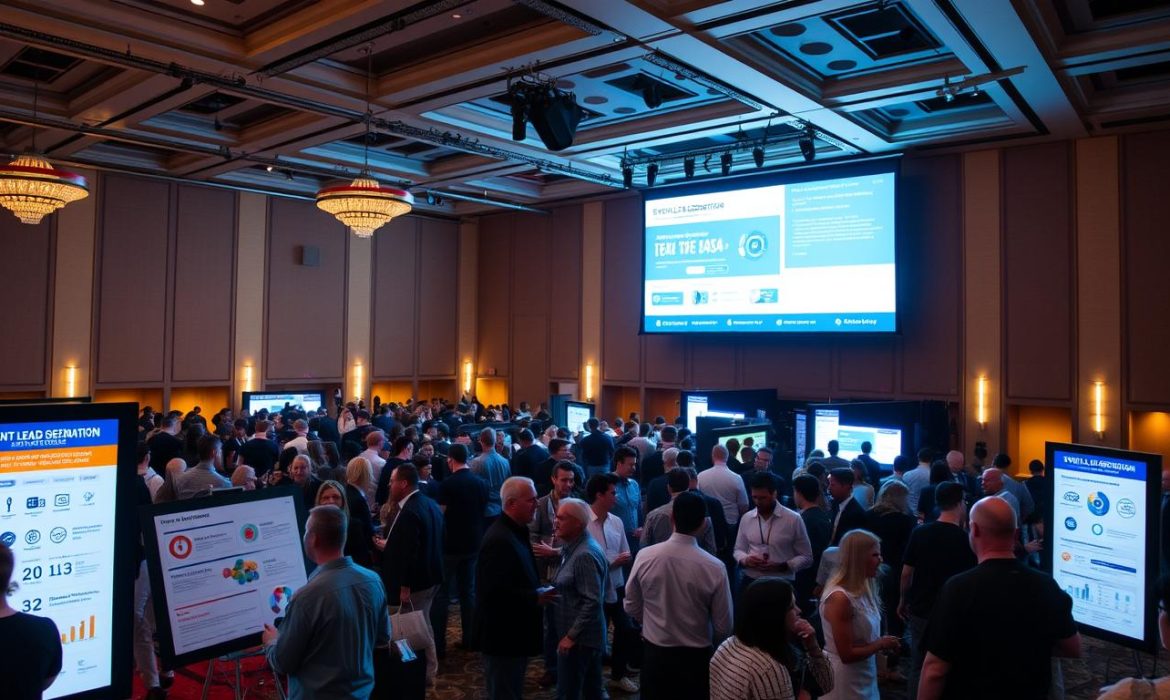
Here’s a stat that stops planners in their tracks: According to Forrester, 57% of buyers make decisions before ever speaking with sales—yet events remain one of the few touchpoints that can move them from curiosity to commitment in a single day. That is the power of event lead generation when it’s done with intent and respect.
This article is your field guide for modern B2B lead generation in the United States. We focus on inbound tactics that build trust. Think value-rich sessions, clear calls to action, and honest follow-up. Avoid intrusive outreach.
Whether you run webinars on Zoom, virtual conferences on Hopin, or in-person forums hosted at Convene, you can turn event marketing leads into pipeline with a full-funnel plan.
We’ll show you how to attract the right audience. Capture interest with tools like HubSpot and Marketo. Nurture with smart email drips instead of cold calls.
You’ll learn how to qualify using engagement data—session views, watch time, replays, polls, and Q&A. Convert faster with timely offers. If you partner with a lead generation agency, you’ll know what good looks like and how to measure it.
Expect practical steps, from TOFU content that drives demand to MOFU workshops that build intent and BOFU demos that seal the deal. Along the way, you’ll use analytics from platforms like ON24 and Cvent to score leads, tighten feedback loops, and prove ROI. The goal is simple: make every event work harder for revenue, not just attendance.
Understanding Event Lead Generation Basics
Events turn interest into action. In event lead generation, teams use clear strategies and simple techniques to collect details. They qualify interest and guide buyers. This is key for conferences, webinars, and trade shows.
It’s also vital in B2B lead generation. Here, long sales cycles need trust and proof.
What is Event Lead Generation?
It’s the process of drawing prospects to an experience. This can be virtual, hybrid, or in person. The goal is to convert that interest into trackable leads.
You attract with content, demos, and sessions. Then, you capture through registration forms and QR codes. Clear calls to action are also important.
After capture, you nurture with targeted emails and LinkedIn messages. You also provide relevant resources. Qualifying happens through engagement signals like session attendance and poll answers.
With a solid strategy, teams convert with timely outreach and tailored offers. Unlike demand generation, lead generation focuses on enabling contact and sales. Events do both at once by humanizing the brand and creating real-time interaction.
Why is Lead Generation Important?
A steady pipeline supports growth and revenue clarity. Leads gained through events arrive warm. This is thanks to hands-on content and live conversations.
This improves outcomes for B2B lead generation. It also raises brand trust. Shared definitions align marketing and sales. MQLs show marketing engagement, SQLs are sales-ready, and PQLs reveal intent through product use.
Clear scoring ties these lead types to next steps. The funnel is simple: attract with promotions and useful content, capture with forms and landing pages, and nurture through personalized messages. Qualify with data and scores, and convert with the right offer at the right time.
Setting Clear Goals for Event Lead Generation
Strong goals make an event a growth engine. Align event lead generation with sales goals, budget, and your brand’s stories. Use tactics that match audience intent and build a strategy you can scale and track.
Match the event to the outcome you want: big conferences reach many, while demos and webinars target decision-makers. Executive audiences want sharp insights, credible speakers, and a clear path to value.
Defining Your Target Audience
Marketing and sales should work together to find who matters most. Create buyer personas from past data and engagement. This makes your content fit better and improves lead quality.
Refine your invitation list with firmographic and intent signals. Target specific roles, industries, and account tiers. Let your tactics guide session topics and formats, and keep your strategy simple for busy executives.
- Use conversion data to rank segments by pipeline impact.
- Prioritize accounts with active buying signals from platforms like Demandbase or Bombora.
- Map content to pain points surfaced in win–loss notes.
Establishing Measurable Objectives
Set KPIs before invites go out, and track them through event lead management. Measure both volume and depth: leads created, MQL-to-SQL conversion, meeting bookings, demo requests, and pipeline sourced.
Plan the value exchange and follow-up as part of your goal. Craft quick thank-you emails, relevant content offers, and brief surveys. Use a 6–8 touch nurture sequence to turn interest into meetings, guided by a clear strategy.
| Goal Type | When to Use | Primary KPI | Secondary KPI | Lead Generation Tactics | Lead Capture Strategy |
|---|---|---|---|---|---|
| Awareness Scale | Large conferences with sponsors and keynote speakers | Total qualified leads | Session attendance rate | High-visibility sessions, partner promos, social buzz | Short forms, badge scans, QR codes to gated assets |
| Demand Creation | Product launches and solution showcases | Demo requests | Time in session and Q&A participation | Live demos, interactive polls, giveaway hooks | One-click calendar booking, chatbot routing to sales |
| Account Penetration | Invite-only roundtables for target accounts | Meetings booked with sales | Number of engaged buying roles | Executive panels, customer stories, peer discussion | Pre-registered guest lists, personalized landing pages |
| Pipeline Acceleration | Workshops for in-cycle opportunities | SQL advancement rate | Proof-of-concept requests | Hands-on labs, ROI calculators, technical deep dives | Session-specific CTAs, instant follow-up sequences |
Choosing the Right Event Format
Format is key in attracting and qualifying prospects. Align your event with your marketing goals. Choose the right scale, content, and data to match your lead capture strategy.
In-Person vs. Virtual Events
In-person events build trust quickly. They offer live demos, chats, and Q&A sessions. These humanize your brand and are great for in-depth talks.
Virtual events, on the other hand, reach more people. They save on travel costs and track engagement. This helps in generating B2B leads and improving your strategy.
Hybrid Events: The Best of Both Worlds
Hybrid events combine the best of both worlds. They offer VIP roundtables and stream keynotes globally. This approach boosts your event marketing leads while keeping things personal.
Recordings from sessions become valuable assets. Use them for social media and email marketing. This data helps refine your lead capture strategy and future events.
Selecting the Right Venue
Choose venues that meet your goals. For deminars, pick rooms for demos and clear audio. Add lounge areas for networking.
For hybrid events, ensure stable bandwidth and good lighting. Make sure the platform captures engagement data. This helps in generating B2B leads and improving your strategy.
| Format | Primary Strength | Lead Capture Strategy | Data Signals | Best Use Case |
|---|---|---|---|---|
| In-Person | High-touch networking and trust | Badge scans, demos, staffed Q&A, scheduled meetings | Meeting notes, demo interest, session attendance | Mid-funnel deminars, account-based outreach |
| Virtual | Scalable reach and lower costs | Gate registrations, interactive polls, downloadable assets | Join time, watch time, poll responses, chat activity | Top-of-funnel education and broad B2B lead generation |
| Hybrid | Live energy plus global access | On-site scans and digital tracking with unified CRM sync | Session popularity, in-room Q&A, online engagement | Multi-tier programs for event marketing leads across regions |
| Venue Fit | AV reliability and layout | Clear demo zones, networking areas, streaming support | Capture quality, analytics from platform and scanners | Product launches, workshops, and executive briefings |
Crafting Compelling Event Messaging
Strong words can move people to act. For event lead generation, your message should be clear and brief. It should also be filled with proof.
Start by explaining the pain you solve. Then, show the win your audience will get. Keep your message consistent across all touchpoints to build trust and drive leads.
Key Elements of Effective Messaging
Lead with a clear value proposition tied to real problems. Name the stakes and explain the specific takeaways in simple language. Use social proof like case studies and customer quotes to make claims believable.
Put a clear CTA on every asset. Tell people what to do next, like register or request a demo. Keep the CTA the same across all pages and emails to encourage action.
During sessions, highlight outcomes with data from trusted brands. People aged 18–34 trust online reviews a lot. Consistent, simple CTAs turn good tactics into real results.
Tailoring Your Message to Your Audience
Build your narrative with sales. Map personas, industry terms, and desired outcomes. For finance, talk about risk and compliance; for retail, focus on conversion and basket size.
Align themes with your marketing strategy. Share highlight reels from past sessions on your registration page. Use concise bullet recaps, time-stamped demos, and customer clips to nudge leads without fluff.
Keep language human and active. Use short sentences, strong verbs, and concrete benefits to help people decide quickly. By pairing persona-specific proof with steady CTAs, your message supports event marketing leads and scales proven tactics.
Utilizing Technology for Lead Generation
Great tech turns a busy show floor into a steady pipeline. A clear lead capture strategy, tight event lead management, and disciplined data flow power B2B lead generation from the first click to the final meeting.
Event Registration Software
Start with fast, mobile-first forms that ask only for essentials. Include “How did you hear about this event?” for channel attribution. Keep branding consistent between the event site and registration pages to build trust.
Pipe every submission to your CRM and automation platform for MQL, SQL, and PQL tags. A seasoned lead generation agency can help refine the scoring rules so sales sees the right prospects first.
Mobile Apps and Engagement Tools
Use event apps for polls, Q&A, and session check-ins. These tools track engagement depth and replays. Virtual and hybrid platforms surface which talks trend, guiding outreach and content follow-ups.
Feed this activity into event lead management workflows. Turn high-intent signals into rapid callbacks, while lighter signals flow into nurturing streams that sustain B2B lead generation.
Social Media Integration
Promote with platform-native calls to action, such as LinkedIn Lead Gen Forms and Instagram story swipe-ups. Add retargeting pixels so visitors who abandon registration see reminders on Facebook and LinkedIn—critical when most first-time visitors leave without converting. For deeper tactics, see this guide on event lead generation.
Record sessions for evergreen clips on your site and YouTube. These assets fuel always-on inbound capture and extend your lead capture strategy well beyond the live date.
| Tool | Primary Role | Key Data Captured | How It Aids Event Lead Management | Impact on B2B Lead Generation |
|---|---|---|---|---|
| Registration Software | Onboarding and attribution | Source channel, contact fields, consent | Routes clean records to CRM for MQL/SQL/PQL segmentation | Higher conversion with short, branded forms |
| Event App | Engagement tracking | Polls, Q&A, session attendance, replays | Scores interest and triggers priority follow-up | Improves meeting set rates post-session |
| Retargeting Pixels | Re-engagement | Visit history, abandonment events | Returns prospects to complete registration | Recovers lost demand at a low cost |
| CRM & Automation | Lifecycle orchestration | Firmographics, score, pipeline stage | Aligns sales and marketing cadences | Shortens time to opportunity |
| Content Library | Evergreen nurturing | View-throughs, topic interest | Feeds personalized drips with session clips | Sustains demand past the event window |
Promoting Your Event Effectively
Strong promotion turns interest into event marketing leads. Use clear messages, tight timelines, and simple next steps. This boosts event lead generation across every channel.
Building Buzz Before the Event
Start with a multi-channel plan. Blend SEO content clusters, targeted emails, and paid social. Make sure ad copy matches landing page headlines for a clear call to action.
Offer practical lead magnets like ebooks, templates, or checklists on your registration pages. These value swaps increase sign-ups and fuel event marketing leads. They also test new lead generation tactics.
Repurpose highlights from prior sessions. Edit recordings into short reels and quotes. This sets expectations and raises trust, nudging conversion and sharpening lead generation techniques.
Keep CTAs visible in blogs, newsletters, and videos from day one. As the date nears, add retargeting to bring back warm traffic. This scales event lead generation without wasting budget.
Collaborating with Influencers and Partners
Invite recognized voices to extend reach. A keynote from Satya Nadella, a panelist from Adobe, or a case study from HubSpot can spark dialogue. This drives registrations through earned buzz.
Equip creators and partners with ready-to-share posts, UTM-tagged links, and talking points. This structure improves tracking and refines lead generation tactics with real data.
Host joint promos like X Spaces with industry analysts, Instagram Lives with creators, or LinkedIn Events with partners like Salesforce. Cross-promotion compounds event marketing leads while testing new lead generation techniques.
After each push, shift CTAs from register now to demos, subscriptions, or highlight reels. Tight message control and clear handoffs keep event lead generation strong from first click to follow-up.
Engaging Attendees During the Event
Keep the room lively and focused with moments that invite action. Use clear prompts and tie every activity to event lead generation and event lead management goals. Build a lead capture strategy that feels helpful, not pushy, and supports B2B lead generation in real time.
Interactive Activities to Foster Engagement
Host live Q&A to surface real pain points and capture context for scoring. Add polls in platforms like Zoom, Webex, or Hopin to gauge priorities and segment follow-up. Run deminar-style demos using products from Salesforce, HubSpot, or Microsoft to show outcomes, not features.
Track engagement depth: sessions attended, watch time, replays, and poll clicks. Fold these signals into event lead management for faster routing. Use on-screen and verbal CTAs that invite a demo request, a consult, or access to exclusive content—key steps in a strong lead capture strategy.
Reward participation with virtual goodie bags, shipped swag, or branded downloads. Keep value high and relevant to B2B lead generation so interest turns into pipeline.
Effective Use of Networking Opportunities
Design structured networking blocks with clear topics and timekeepers. Pair attendees with sales and subject matter experts for short, focused chats that move event lead generation forward.
Encourage peer-to-peer exchanges to spark word-of-mouth. Use facilitated roundtables on challenges that buyers face, and log takeaways for event lead management. End each session with a simple CTA to book a meeting, aligning with your lead capture strategy.
| Engagement Tactic | Primary Goal | Key Metric | CTA Example | Impact on Event Lead Management |
|---|---|---|---|---|
| Live Q&A | Surface buyer needs | Questions asked per attendee | Ask for a tailored demo | Improves routing and prioritization |
| Polls | Segment interest | Poll completion rate | Unlock the benchmark report | Feeds scoring in the CRM |
| Deminars | Show product value | Average watch time | Book a live consultation | Accelerates B2B lead generation |
| Structured Networking | Qualify interest | Matches completed | Schedule a follow-up | Captures notes for event lead management |
| Swag & Resources | Boost recall | Downloads and claims | Get the toolkit | Strengthens lead capture strategy |
Following Up After the Event
The excitement is highest right after the event ends. Follow-up should be a key part of event lead generation, not an afterthought. A solid lead capture strategy and event lead management plan can turn interest into real leads.
Best Practices for Post-Event Follow-Up
Send a thank-you email within 24 hours. Include highlights, a short recap video, links to related blogs, and a clear CTA—book a demo or request a consultation. Keep it short and easy to read.
Start segmented drips or SMS nurtures. Plan 6–8 touches that mix education with proof. Use techniques like intent-based content, calendar nudges, and social retargeting to stay in touch without spamming.
Score leads based on engagement signals from platforms like HubSpot, Salesforce, or Marketo. Quickly pass on high-intent signals to sales. Keep MQLs engaged with targeted assets that match your lead capture strategy.
- Prioritize SQLs for same-day outreach with a personal note referencing the session or question.
- Nurture MQLs with playbooks that map to their role, industry, and pain points.
- Repurpose recordings into evergreen clips, blogs, and downloadable checklists to fuel event lead generation all quarter.
Analyzing Feedback and Data
Review where registrations came from and ad performance to see which channels worked best. Compare session popularity, dwell time, and applause moments to improve topics and speakers. This is key to event lead management and future lead generation.
Close the loop by mapping attendee profiles and behaviors to conversions. Find out which segments moved forward, stalled, or left. Use these insights to adjust personas, messaging, and your lead capture strategy for the next campaign.
Keep a content backlog from Q&A, polls, and survey themes. Turn common questions into guides, brief videos, and one-pagers. Repurposing content builds trust and keeps demand going between events.
Measuring the Success of Your Lead Generation Efforts
Measuring success turns event energy into real revenue. Start with data and tie every touch to the pipeline. Align goals with sales and let event lead management guide what to scale or stop.
Key Performance Indicators (KPIs)
Track both volume and quality. Start with lead volume by source and cost per lead. Then, add MQL and SQL rates to see how leads move through the funnel.
- Engagement depth: session duration, multiple session views, replays, polls, and questions
- Activation: demo or trial requests, content downloads, email CTRs
- Conversion: registration-to-attendance rate, meeting set rate, opportunity creation
- Impact: pipeline created and revenue influenced, segmented by format and content
- Attribution: “How did you hear about us?” responses and retargeting conversions
Use these KPIs to compare different tracks, formats, and CTAs. Find out which topics and speakers work best and repeat them. Stop those that don’t work. Keep your lead generation tactics in line with your overall strategy.
Tools for Tracking Success
Choose an event platform with analytics to capture behavior in real time. Connect it to Salesforce or HubSpot for full-funnel visibility. Also, connect to Marketo or Pardot for updates on the buyer’s journey.
- Event lead management: automate scoring with behavior rules and intent signals
- Attribution: use first-touch, last-touch, and multi-touch models to compare channels
- Dashboards: unify session metrics, CPL, and influenced revenue for B2B lead generation
- Content engine: track on-demand views on your site and YouTube to extend reach
| Metric | Why It Matters | Primary Source | Optimization Move |
|---|---|---|---|
| Lead Volume by Source | Reveals which channels drive event marketing leads | Event platform, UTM tags | Shift budget to top-performing sources |
| MQL/SQL Rates | Signals sales readiness and fit | CRM, marketing automation | Refine scoring thresholds with behavior data |
| Registration-to-Attendance | Measures message and timing resonance | Registration logs, check-ins | Adjust reminders and session scheduling |
| Session Engagement Depth | Predicts intent from participation | Session analytics, polls | Feature high-engagement topics and speakers |
| Demo/Trial Requests | Captures bottom-of-funnel interest | Forms, booth scans | Place clearer CTAs and reduce form friction |
| Cost per Lead | Benchmarks spend efficiency | Finance, campaign data | Cut low-yield tactics and reinvest |
| Pipeline Created | Ties events to sales outcomes | CRM opportunities | Prioritize follow-up by deal size and intent |
| Revenue Influenced | Shows long-tail impact across touches | Attribution reports | Align content and CTAs to buyer stage |
With the right tools and feedback, lead generation tactics become repeatable. Let data guide your next steps. Keep testing until your event lead management runs smoothly.
Continuous Improvement in Lead Generation
Every event is a chance to learn and grow. View each program as a sprint, not a single event. Use proven methods to improve who you reach, what you say, and how you convert.
This approach boosts event and B2B lead generation. It works whether you host events yourself or work with a lead generation agency.
Learning from Past Events
Do a post-mortem with sales and marketing within a week. Look at who you targeted, if they fit your audience, and how fast you followed up. Check analytics for what people liked and what sparked their interest.
See which content moved people forward. Note which demos, deminars, or case studies were most effective. Use this data to improve how you score and hand off leads.
Adapting Strategies for Future Events
Choose the right format for your goals. Use hybrid or virtual events for wide reach, and focused deminars for those with high intent. Make registration easier and improve mobile access to reduce drop-offs.
Invite influencers and industry leaders to boost your event. Use their contributions to promote your event. Turn recordings into valuable content to nurture leads.
Optimize your retargeting to reach more people. Keep sales and marketing on the same page to improve lead quality. This way, lead generation gets better over time, whether you do it alone or with a partner.
FAQ
What is event lead generation for B2B marketers?
Event lead generation attracts prospects through webinars and in-person events. It captures their details and nurtures them with content. This process qualifies them for conversion into customers. Events help in both demand generation and lead capture.
How is lead generation different from demand generation at events?
Lead generation focuses on collecting contact information for sales follow-up. Demand generation builds awareness and desire through content. Events do both, creating interest and capturing leads.
Why is event lead generation important for growth?
It provides a steady stream of qualified prospects. It aligns with inbound marketing and improves conversion rates. Attendees who opt in are more engaged, helping sales teams focus on high-value leads.
How do I define my target audience for an event?
Align marketing and sales to create buyer personas. Use CRM data and past registrations to refine invitations. This ensures your content matches real pain points, boosting event marketing leads.
What measurable objectives should I set?
Set KPIs like total leads, MQL-to-SQL conversion, and demo requests. Include post-event goals like drip email engagement and meetings booked. This supports a full-funnel lead capture strategy.
Should I run in-person or virtual events?
In-person events are great for networking. Virtual events scale reach and reduce costs. Choose based on your goals: volume for virtual, intent for in-person.
What are the advantages of hybrid events?
Hybrid events combine live energy with digital scale. They increase attendance and data capture. This supports ongoing B2B lead generation and nurture programs.
How do I select the right venue for lead goals?
Match venue capacity and AV to your objectives. Choose rooms for demos and Q&A. For hybrid events, ensure reliable streaming and strong Wi‑Fi. Create networking spaces for sales and prospects to connect.
What messaging elements drive registrations and conversions?
Start with a clear value proposition tied to pain points. Add concrete takeaways and customer stories. Place explicit CTAs on landing pages and emails to reinforce credibility and action.
How do I tailor event content to my audience?
Use industry language and role-specific outcomes. Build sessions that solve problems in real time. Segment invitations and follow-ups by persona to showcase relevant case studies.
Which event registration software features matter most?
Use mobile-friendly, short forms with essential fields. Ensure branding consistency and strong CTAs. Integrate registration with your CRM and marketing automation for seamless event lead management.
How do mobile apps and engagement tools improve lead quality?
Polls, Q&A, chat, and session tracking capture engagement depth. Feed this data to your CRM to score leads and prioritize sales outreach. These signals reveal intent better than form fields alone.
What’s the role of social media in event lead generation?
Promote with LinkedIn Lead Gen Forms, paid social, and retargeting. Add pixels for reminder ads on LinkedIn and Facebook. Keep message match between ads and landing pages to maximize conversion and lower cost per lead.
How can I build buzz before the event?
Launch a multi-channel plan with targeted emails and SEO content. Offer lead magnets on the registration page. Share highlight reels and testimonials to prove value and increase sign-ups.
How do influencers and partners help?
Industry influencers, respected analysts, and customer champions boost credibility and reach. Their promotion increases registrations and attendance, while their presence on panels adds authority that improves engagement and downstream conversions.
What interactive tactics keep attendees engaged?
Use live Q&A, polls, deminars, and breakout discussions. Display on-screen CTAs for demos or consultations. Track participation for lead scoring—multiple sessions, long watch times, and replays indicate higher intent and should trigger timely sales follow-up.
How do I create valuable networking moments?
Build agendas with structured networking, roundtables, and office hours with subject-matter experts. Enable one-to-one meetings in the platform. Give sales clear zones and time blocks to connect with high-fit accounts without being intrusive.
What are best practices for post-event follow-up?
Send a same-day thank-you with the recording, slides, and related resources. Segment drips by engagement level and persona. Offer a next step—demo, trial, or consultation—and plan for 6–8 touches across email, phone, and LinkedIn to convert MQLs to SQLs and PQLs.
How should I analyze feedback and engagement data?
Review registration sources, attendance, session popularity, poll results, and Q&A themes. Use “How did you hear about us?” responses and retargeting performance to optimize channels. Feed insights to content teams and your lead generation agency or partners for refinement.
Which KPIs prove event marketing impact?
Track lead volume by source, MQL/SQL rates, PQLs, demo or trial requests, registration-to-attendance rate, engagement depth, content downloads, email CTRs, cost per lead, pipeline created, and revenue influenced. Monitor both TOFU and BOFU outcomes.
What tools should I use to track success?
Use event platforms with built-in analytics, integrate with your CRM and marketing automation, and connect ad platforms for attribution. Build dashboards that combine session data with lifecycle stages so teams can act on high-intent signals fast.
How do I learn from past events to improve?
Run a post-mortem with marketing and sales. Compare personas to actual attendees, analyze engagement peaks, and review feedback surveys. Identify sessions that drove demos or meetings and double down on those topics next time.
How should I adapt strategies for future events?
Adjust format to goals—virtual or hybrid for reach; focused deminars for intent. Simplify registration, test shorter forms, and optimize for mobile. Scale retargeting, refine lead scoring thresholds, and repurpose recordings into always-on content across your site and YouTube.
What lead generation techniques are most effective right now?
Combine inbound-led tactics: targeted content, social proof, precise CTAs, and behavior-based scoring. Use account-based invites, deminars, and strong follow-up cadences. Integrate data across systems to prioritize the right prospects for sales.
How do I ensure my event lead management is seamless?
Map a clear workflow: capture registrations, enrich profiles, score based on engagement, route MQLs to nurture and SQLs to sales with SLAs. Maintain data hygiene and consistent definitions so reporting and handoffs stay accurate and fast.
When should I consider partnering with a lead generation agency?
Bring in a specialized agency when you need scale, advanced analytics, or creative horsepower. Agencies can optimize paid media, build content engines, and fine-tune lead capture strategy while your team focuses on product storytelling and sales alignment.