Did you know that up to 50% of cold email success depends on deliverability, not the message itself? This is why the best email warm up tools are essential for teams using email outreach software in the United States.
We’ve tested top inbox placement and email deliverability tools. They mimic real user behavior to help your domain gain trust with Gmail, Outlook, and others.
Our review compares prices, starting at $15–$29 per inbox and going up to $149 for advanced features. There are also enterprise options over $490 per mailbox for AI and deeper monitoring. We look at network size, safety features, and analytics like an email sender score tracker.
This guide helps you choose the right tools for new campaigns or fixing a damaged domain. By the end, you’ll know which tools work best with your software and how to track your progress.
What is Email Warm-Up and Why It Matters?
Email warm-up helps Gmail, Outlook, and Yahoo trust your emails. It sends and receives messages slowly at first. This makes filters think your emails are safe and wanted.
Brands use tools to control this process. They want to reach the inbox, not the spam folder. They do this by engaging consistently and pacing their emails wisely.
The goal is simple: reach the inbox, not the spam folder. Consistent engagement, clear authentication, and smart pacing help you get there. An email sender score tracker and email reputation monitoring add guardrails as you scale campaigns.
Understanding Email Deliverability
Deliverability is about engagement and authentication. Actions like opens and replies teach filters to trust you. SPF, DKIM, and DMARC confirm your identity and stop spoofing.
Top email deliverability tools check DNS and track content risks. They also monitor where your emails land. This helps you adjust your approach quickly.
The Role of Reputation in Email Sending
Reputation comes from being consistent and having low complaints. Sudden changes can hurt your trust. An email sender score tracker shows how your reputation changes.
Warm-up helps by controlling how much you send. This keeps your emails looking natural and increases your inbox rate.
How Warm-Up Tools Enhance Engagement
The best email warm up tools mimic real user behavior. They simulate opens, replies, and clicks. Some tools even adjust sending times to match human habits.
With these tools, you can see how your emails perform. This lets you grow your outreach safely. Email deliverability tools and inbox placement tools help you stay on track.
Criteria for Selecting the Best Email Warm-Up Tools
Choosing the right platform starts with knowing your goals. Teams using email outreach software need tools that are fast, accurate, and reliable. Look for dashboards that show spam rates, health, and domain reputation. This helps guide daily decisions.
User-Friendliness and Setup Process
Onboarding should be quick, not slow. Tools like MailReach and Folderly are known for their fast setup and easy-to-use interfaces. They support Google OAuth, Microsoft 365, and SMTP for mixed stacks. They also have clear DNS checks and blacklist alerts to reduce risk.
When email marketing tools are easy to use, teams work faster. A good UI should show inbox placement and reputation trends easily. Make sure email verification services are native and secure.
Automation Features and Customization
Deep automation makes warm-up realistic. Warmy.io’s AI strategies, Lemwarm’s template testing, and WarmUp Inbox’s ESP-focused warm-up show the importance of nuance. Mailreach adds spam testing and blacklist monitoring; Mailivery supports time zones and weekend pacing.
Advanced engagement from InboxAlly—like link-clicking and auto-scrolling—can help improve signals. Match these features to your region, language, and prospect mix. This ensures the best email warm up tools align with your outreach rhythm and email deliverability tools.
Cost vs. Value Comparison
Budgets differ based on mailbox volume and diagnostics. Entry pricing starts around $15–$29 per inbox, mid-range is $79, and premium AI can be over $149 per sender. TrulyInbox offers unlimited mailbox warm-up by tier, while Folderly’s spam reason detection and DNS support help with complex cases.
Consider the cost against the data you need and whether you want warm-up inside your email outreach software. For a quick market scan and pricing ranges, see this expert roundup. Choose the stack that pairs your email marketing tools with reliable email verification services for sustained deliverability.
Tool
Before we dive into the picks, let’s see how each option was judged. The size of the warm-up network is key. Clusters with 20,000 to 35,000+ active inboxes mimic real-world sending. This size ensures the best tools work well across Gmail, Outlook, Yahoo, and custom domains.
Automation is another important factor. Top email tools let you set schedules and caps. They also use AI for personalization and matching topics and languages.
Diagnostics are essential. Look for checks on SPF, DKIM, and DMARC, as well as blacklist monitoring. The best tools also show where emails land and help you fix issues.
Transparent pricing is vital for teams. Costs can rise quickly with a growing team. Choose vendors that show total costs upfront and offer flexible plans.
Alerts should be timely and detailed. You need clear insights when deliverability drops. Reports that track placement and trends are helpful.
What to expect next: a mix of budget and premium options. Each will be judged on network size, automation, diagnostics, and price clarity.
1: Mailgun
Nearly 20% of marketing emails don’t make it to the inbox, Validity and Twilio SendGrid say. Mailgun fills this gap with its infrastructure-first approach. It helps you build trust before you send more emails.
Mailgun is famous for its API, SMTP, and analytics. It shows bounce rates, spam complaints, and how people engage with your emails. It works well with tools like Lemlist’s Lemwarm to build your reputation faster.
For teams looking at email tools, Mailgun stands out. It’s great for reliability, logs, and how emails are routed. It offers detailed insights and checks if your emails land in the inbox. With a good warm-up tool, you get a strong email stack.
Mailgun helps you send emails at a steady pace. It lets you verify domains and check your sending IP. Adding a warm-up network can make your emails get through better.
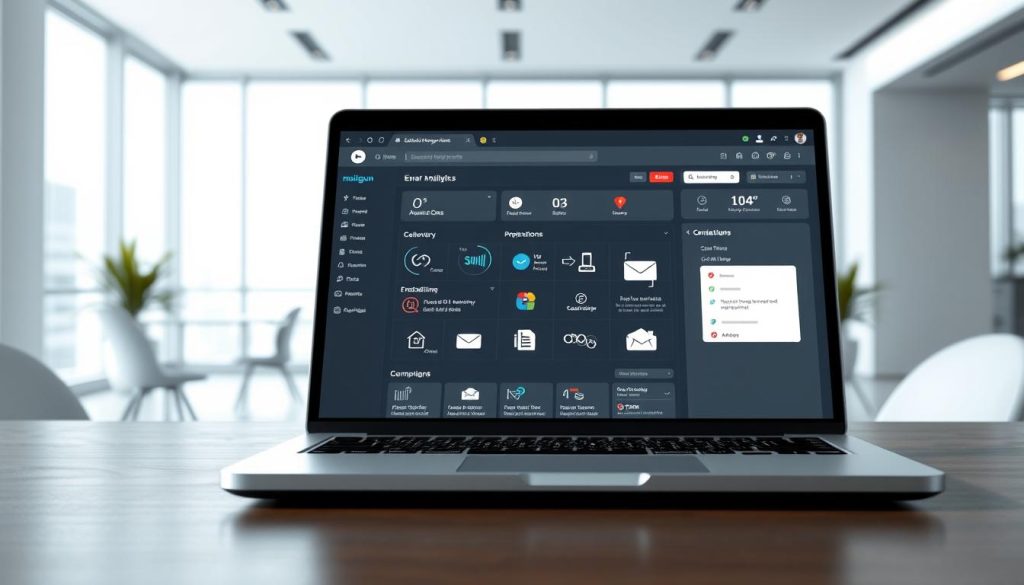
Mailgun gives you a solid foundation. A warm-up partner proves your emails are trustworthy to big email services. Together, they make sure your emails reach the inbox.
Tool
Use a warm-up layer that runs network-driven engagements and detailed diagnostics. Start with authenticated sending—SPF, DKIM, and DMARC. Then, add steady ramp-ups and continuous email reputation monitoring. This mix lowers spam risk and keeps track of sender health across providers like Google Workspace, Microsoft 365, and Amazon SES.
Choose platforms that act as inbox placement tools and check integration paths via SMTP or OAuth. Make sure reporting is where your team works—dashboards for analysts, Slack alerts for sales, and webhooks for devops. Balance volume, cadence, and reply simulation so the email sender score tracker shows real engagement, not just spikes.
AI assistants in MailReach and Warmy.io guide daily pacing and autocorrect settings. Warmy.io and Warmup Inbox have language-specific campaigns to match regional signals. Deliverability tests from Lemwarm and Allegrow find blacklist hits, content traps, and throttling to fix issues before scaling.
| Provider | Core Strength | Integration | Diagnostics | Reporting | How It Supports Monitoring |
|---|---|---|---|---|---|
| MailReach | AI-assisted warm-up pacing and reply simulation | SMTP, OAuth | Blacklist checks, spam-folder lift tests | Dashboard, Slack | Real-time email reputation monitoring and an embedded email sender score tracker |
| Warmy.io | Language-specific warm-up campaigns | SMTP, OAuth | Engagement patterns by locale | Dashboard, webhooks | Geo-aware inbox placement tools to balance regional signals |
| Warmup Inbox | Automated ramp-ups with human-like replies | SMTP, OAuth | Spam trigger insights, domain health | Dashboard, Slack | Tracks sender velocity for the email sender score tracker |
| Lemwarm | Preflight deliverability tests for campaigns | SMTP | Seed testing, spam placement mapping | Dashboard | Maps folder outcomes to support email reputation monitoring |
| Allegrow | Granular diagnostics and remediation tips | SMTP | Blocklist watch, throttling signals | Dashboard, webhooks | Alerts that inform inbox placement tools and content fixes |
Set guardrails before scale: cap daily increases, rotate sending windows, and validate content with seed tests. Keep a live email sender score tracker open during each ramp. When alerts flag dips, adjust cadence, update DNS records, and recheck with inbox placement tools to confirm recovery.
For teams, document SMTP or OAuth steps, define alert thresholds, and assign owners for email reputation monitoring. With tight feedback loops and clear dashboards, every warm-up action is visible, auditable, and easy to tune.
2: Warmup Inbox
Up to 45% of cold emails might not reach the inbox on new domains. But, using Gmail-focused warm-up with Warmup Inbox can make a big difference. This is key when picking the best tools to keep your pipeline and reputation safe.
Warmup Inbox uses over 30,000 real accounts to make emails seem real. This boosts trust and helps emails land in the inbox. It has special routines for Gmail, Outlook, and more. It also supports English, French, Polish, Spanish, and German.
Setting up Warmup Inbox is easy, and the interface is user-friendly. You also get free tools like DMARC and SPF generators, a spam checker, and alerts when things go wrong. AI writes warm-up emails, but staff checks them to add a human touch.
Reports help you keep an eye on your email’s reputation. This way, you can spot problems before they affect your sales.
Plans are based on the number of inboxes you have. The prices are Basic $15–$19 per email per month, Pro $49–$59, and Max $79–$99. There’s a 7-day free trial. Make sure to check the current prices before you buy.
Warmup Inbox is great for new domains. It helps them build trust. Use its alerts and reports to improve your email’s reputation and keep your program on track.
Tool
Warmup Inbox is great for U.S. teams looking for a quick setup and better deliverability. It’s priced in the middle and has a big, active network. This network acts like real inbox activity to build trust with Gmail, Outlook, and Yahoo.
What makes it different? It focuses on the email providers you use most. It also supports multilingual sequences for different regions. The reports are easy to understand, showing where emails land, how fast they get there, and reputation trends.
It’s not as advanced as some other tools, like MailReach or Folderly. But, it’s simple for teams that need to get started fast. It gives clear signals before moving to email outreach software for live campaigns.
It works well with other email tools, acting as a preflight stage. This stage helps avoid early spam traps. Many U.S. teams use it with their preferred email outreach software to start sequences when the domain is stable.
Using Warmup Inbox can speed up your ramp-up, build trust in different languages, and target your ESPs. If you already have strong email marketing tools, this layer helps you start clean. It protects your domain health and keeps your sender reputation on track.
3: Lemlist
Did you know up to 20% of emails never make it to the inbox? This is a big problem. Lemlist’s Lemwarm is a top tool to solve this issue before your emails even go out.
Lemwarm works with Lemlist’s email outreach software. It checks your sender reputation and technical setup. It also sends personalized warm-up emails that look like they’re from a real person.
This helps you build trust with email services like Gmail, Outlook, and Yahoo. It also checks where your emails end up, which is a unique feature.
Smart Cluster is a key feature. It creates a warm-up network based on your industry. It also warms up real templates from your email campaign tools. This makes your warm-up emails more relevant and less like spam.
Pricing varies from Essential at $24–$29 per email per month to Smart at $40–$49. Some plans include warm-up when you use Lemlist’s full suite.
Pros include advanced placement reporting and easy-to-use dashboards. It’s all set up in one platform. Cons are the per-email pricing and no universal free trial. Lemwarm is great if you need both outreach and warming under one roof with fast data.
Tool
Lemwarm helps U.S. marketers with outreach and deliverability in one spot. It uses warm-up sequences that mimic human sending. Then, it uncovers issues in templates and subject lines.
It works with inbox placement tools to show where messages end up and why. This way, content can be fixed early on.
What stands out is the mix of testing and gradual warm-up. The platform checks things while tracking email sender scores. This gives clear signs about domain health and sending habits.
Teams can tweak copy, timing, and authentication with confidence. No more guessing.
For growing sales teams, Lemwarm offers email reputation monitoring. It matches engagement patterns, helping refine sequences for different email services. Pricing may go up with more inboxes, but the detailed analysis keeps pipelines steady.
Compared to other tools, Lemwarm’s template warm-up reduces surprises. Marketers can find spam triggers, improve DKIM and DMARC, and watch the email sender score tracker. This balance ensures fast and safe delivery, keeping data clean for CRM workflows.
4: Inboxbooster
48% of marketing emails don’t make it to the main inbox on the first try. This is why teams use email deliverability tools. They want to keep their campaigns running smoothly in places like HubSpot, Mailchimp, and Salesforce.
Inboxbooster is getting some attention. But, buyers should check if it works well for warming up emails and checking diagnostics. Look at its network size, how it helps with engagement, and its security features. Also, check its pricing and how it compares to other tools.
For email warm-up that works today, tools like TrulyInbox and Warmy.io are good options. They help improve email placement while you test Inboxbooster. This way, you can keep trying different things without losing your progress.
When comparing email tools, look for clear reports and stable placement. Also, make sure they handle reputation issues well. Doing your homework now will lead to better open rates and fewer surprises in your CRM.

So, do your research on Inboxbooster. Compare it to other email marketing tools that have proven warm-up and diagnostics. Choosing wisely means looking at the facts, not just the buzz.
Tool
Look for a warm-up tool that mixes AI with real-world sending. Tools like Warmy.io and MailReach adjust sending pace and patterns. This is key for email outreach and campaign tools that need steady inbox placement.
U.S. teams should check OAuth and SMTP integrations for Google Workspace and Microsoft 365. Make sure the tool supports monitoring and meets compliance needs. Using warm-up with email verification services helps avoid bounces as you send more.
The best tools offer warm-ups in many languages and topics, like Warmy.io and Warmup Inbox. This helps with global lists and trains filters for natural engagement. It also helps your email outreach by starting positive replies.
Network size is important. Look for an inbox network with 20K–35K+ users. This helps your email campaigns grow slowly and keeps your reputation stable.
Spam testing and blacklist monitoring are key. MailReach and Warmbox find issues early, so you can adjust. Adding email verification services helps protect your domain.
Advanced engagement signals are valuable. Tools like InboxAlly mimic user actions to improve your emails. This gives your campaign tools better data and delivery.
Pro tip: Test a small warm-up group before going live. Match it to your target audience. Then, expand when results are good.
When choosing, check daily send limits, reply ratios, and reporting. Make sure the warm-up schedule works with your email verification services. This keeps your lists fresh as you grow.
5: MailReach
Did you know a 1% boost in inbox placement can lead to a 20% increase in reply rates for cold emails? That’s why MailReach is a top choice among email warm up tools. It uses a smart warming algorithm and an AI Deliverability Assistant to spot issues before they harm your campaigns.
Setting up MailReach is quick and easy. Just connect your mailbox and start warming it up. The platform offers tools for inbox placement, email reputation monitoring, and more. It also gives you tips on how to improve your email sender score.
MailReach works with big ESPs and SMTP services. It sends alerts through Slack or webhooks so your team can act fast. Pricing varies, with some plans around $20 per inbox monthly (annual billing). Check the official site for the latest prices.
MailReach has many benefits, like detailed monitoring and easy setup. It’s also great for teams that want to improve their sender reputation without a lot of manual work. But, it might be pricey for some, and there are some reports of slower support. Overall, MailReach is a solid choice for those looking to boost their email success.
How to Get Started with Email Warm-Up Tools
Warming up a mailbox gets your domain ready for real outreach. A simple plan, steady pacing, and the right tools make it smooth and measurable.
Setting Up Your Account
Connect your mailbox via OAuth for Google or Microsoft, or use SMTP if your provider supports it. Make sure DNS records—SPF, DKIM, and DMARC—are confirmed before starting. Tools like Warmup Inbox and Warmy.io let you set daily volume, reply rate, and more.
Match schedules and time zones in Mailivery or Warmbox to mirror real inbox behavior. If you run campaigns, align your email outreach software settings with the same sender and domain used during warm-up. Pair these steps with email verification services to keep bounces low from day one.
Best Practices for Email Warm-Up
- Increase volume gradually over 2–6 weeks, starting with a handful of messages per day.
- Use clean lists supported by email verification services to avoid hard bounces and spam traps.
- Personalize short, human messages and encourage replies to boost engagement signals.
- Respect feedback loops and act fast on spam complaints or unusual bounce spikes.
- Blend warm-up with your email marketing tools so content, tone, and cadence stay consistent.
Advanced engagement from platforms like InboxAlly—such as link clicks or auto-scrolling—can reinforce positive signals. Run periodic checks with email deliverability tools before scaling outreach.
Monitoring Progress and Results
Track inbox versus spam placement, domain and IP health, and sender reputation trends. MailReach offers an AI assistant for guidance, while Folderly flags spam causes and DNS gaps. Warmup Inbox provides alerts, and Lemwarm runs deliverability tests. MailReach, Warmbox, and Mailwarm monitor blacklists.
Use dashboards to watch reply rates, read rates, and complaint levels. If deliverability dips, pause, lower send volume, or adjust content. When metrics stabilize, sync reports with your email outreach software and time your first live campaigns for the best results from your email marketing tools and email deliverability tools.
Frequently Asked Questions (FAQs)
Starting a new inbox or waking up an old one needs time and a plan. The right tools help you gain trust with email providers. They also let you track your progress and find any problems.
Using smart tools to place your emails in the right spot is key. This way, your messages won’t end up in spam. Instead, they’ll reach the people who need to see them.
How Long Does Email Warm-Up Take?
Most brands see their email warm up in 2–6 weeks. If you have a new or inactive mailbox, this is a good timeframe. But, if you’re starting with a young domain or sending out a lot of emails, it might take longer.
It’s important to increase your email sends slowly. Keep your authentication up to date. And always check your email sender score tracker for any drops. Tools like Lemwarm, MailReach, TrulyInbox, Warmup Inbox, and Warmy.io can help you manage your sends and keep an eye on your domain’s health.
Can I Use Multiple Tools Simultaneously?
You can link more than one tool through SMTP or OAuth. But, it’s not usually helpful. It might look like you’re trying to fake things and mess up the diagnostics.
Choose one tool that fits your needs. Whether you need AI, deep tests, or something budget-friendly. For example, Folderly, Warmbox, Mailwarm, Allegrow, and InboxAlly offer different features. They range from diagnostics to helping you engage with your audience.
Make sure the tool you choose matches your goals and budget. Prices vary from about $15–$29 per inbox per month to $149 and more. Some even offer agency plans for $490 or more.
What Happens if I Skip the Warm-Up Process?
Skipping the warm-up process can lead to your emails being sent to spam. You might also get bounces and damage your domain. In some cases, it could even get blacklisted.
Using email reputation monitoring and inbox placement tools can help you catch problems early. Always follow the rules of CAN-SPAM, GDPR, and CASL. A slow and careful warm-up process saves time and protects your deliverability. It also helps you reach your audience better in the long run.
FAQ
How long does email warm-up take?
It takes 2–6 weeks to build trust with Gmail, Outlook, and Yahoo. New domains or high-volume goals might need more time. During this period, tools simulate opens and replies to protect your reputation.
Can I use multiple warm-up tools simultaneously?
Using multiple tools at once is possible but not recommended. It can look unnatural to ESPs. Choose one tool that fits your needs and stick to a consistent schedule.
What happens if I skip the warm-up process?
Skipping warm-up can lead to spam, high bounce rates, and blocks. It risks poor inbox placement and damages your sender score. A steady warm-up improves your domain health and inbox placement.
Are email warm-up tools legal and compliant?
Yes, they are legal and compliant if they follow CAN-SPAM, GDPR, and CASL. Reputable platforms respect unsubscribe signals and avoid deceptive content. Always use proper authentication and permission-based email outreach.
Which warm-up tools are best for U.S. marketers?
Good options include WarmUp Inbox, Lemwarm by lemlist, MailReach, and Warmy.io. Each offers unique features like AI assistants and blacklist monitoring. Choose based on your needs.
How do warm-up tools improve deliverability?
They automate engagement and ramp up sending limits safely. Positive actions like opens and replies signal quality to ESPs. With clean lists and strong DNS records, these tools boost your inbox placement.
What’s the typical cost for warm-up services?
Budget plans start at – per inbox/month. Mid-range options cost –. Premium AI or enterprise plans can be over 9 per inbox. Compare prices, analytics, and extras.
Do I need warm-up if I already use email marketing tools?
Yes, warm-up builds trust with ESPs. Pair your outreach platform with a warm-up tool and reputation monitoring for safe scaling.
Can warm-up target specific providers like Gmail or Outlook?
Some platforms support ESP-specific strategies. WarmUp Inbox can prioritize Gmail or Outlook. Many tools report placement by provider.
What best practices should I follow during warm-up?
Authenticate your domain and ramp up volume gradually. Avoid purchased lists and keep bounce and complaint rates low. Use inbox placement tools to track results and pause when needed.
How do I monitor sender reputation and score?
Use dashboards to track inbox vs. spam and domain health. Tools like MailReach and Folderly monitor blacklists and authentication. An email sender score tracker helps catch issues early.
Do warm-up tools also verify emails?
Some tools offer basic checks, but dedicated services are better. Verifying lists reduces bounces and supports deliverability. It protects your sender score during and after warm-up.
Can I warm up in multiple languages or industries?
Yes. WarmUp Inbox supports multilingual warm-up, and Lemwarm can tailor networks by industry. Warmy.io offers topic and language-based strategies for regional reputation.
When should I stop warm-up?
Keep a maintenance-level warm-up running as you scale. Once inbox placement stabilizes, reduce volume but continue monitoring. If placement drops, pause campaigns, fix issues, and resume a more conservative ramp.
Do I need both infrastructure and warm-up?
Many teams use infrastructure like Mailgun with a warm-up tool. Infrastructure ensures reliable sending, while warm-up networks and diagnostics optimize placement. Together, they support consistent deliverability.
How do advanced engagement features help?
Platforms like InboxAlly simulate link clicks and auto-scrolling. Used responsibly with quality content, these actions reinforce your reputation and help your email outreach land in the inbox.